Securing an active footprint across Southern Nevada requires equipment built for unyielding desert conditions. High thermal variations across the valley create intense afternoon wind tunnels along corridor corridors…
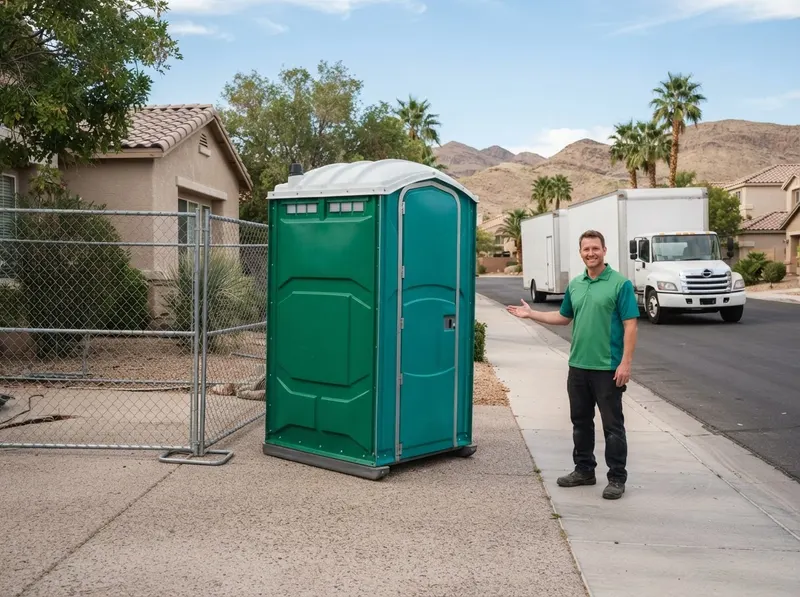
Securing an active footprint across Southern Nevada requires equipment built for unyielding desert conditions. High thermal variations across the valley create intense afternoon wind tunnels along corridor corridors near Summerlin and Skye Canyon. Temporary jobsite chain-link fencing protects work zones from unauthorized entry and trespassing liabilities while keeping portable toilet banks, machinery, and material caches shielded from street exposure. Unlike driven posts that penetrate asphalt or disrupt underground conduit, free-standing modular panel sections rest on heavy-gauge steel bases weighed down with UV-stabilized 50-pound sandbags. This prevents perimeter displacement during seasonal dust storms without requiring invasive post-hole excavation on paved Clark County developments.
Selecting the correct perimeter configuration depends on project scope and municipal requirements. For commercial tenant retrofits near the Downtown Arts District or high-visibility builds in Queensridge, 8-foot-tall panels outfitted with 85% opacity polyethylene wind-block screen limit windblown trash from escaping into adjacent parcels. For standard detached residential additions in Peccole Ranch, Centennial Hills, or The Lakes, standard 6-foot panels establish a visible barrier that prevents unmonitored foot traffic near foundation trenches and equipment staging spots. While driven chain-link posts offer higher lateral wind tolerance for multi-year civil sites near Tule Springs, free-standing panels deliver essential logistical adaptability, allowing site managers to shift perimeter lines in under twenty minutes as concrete pours, crane operations, and delivery trucks cycle across the lot.
Managing site logistics means eliminating vendor surprises that delay trade arrivals or violate municipal codes. When paired with scheduled portable sanitation deliveries, jobsite fencing creates an organized hygiene zone kept safely separate from moving heavy equipment. Site managers can configure swing gates spanning 10 to 20 feet to give boom trucks and vacuum pump trucks clear service pathways. Step 1 involves measuring boundary edges and marking gate widths before the crew arrives. Step 2 requires confirming stable, level soil or asphalt footing so stabilizing stands do not rock under stress. Step 3 concludes with full clamping, ballast distribution, and optional safety screening install, leaving the staging area entirely compliant and secure.
Every job gets a firm, written price after a free on-site visit.
Tell us about your temporary jobsite chain-link fencing job in Las Vegas and we'll send a clear, written quote, usually the same day.
 Pine Eagle Portable Toilets